Focused Legal Representation. Thoughtful Preparation.
Litigation requires a disciplined, step-by-step examination of the underlying facts, applicable statutory law, procedural requirements, and potential avenues of defense or resolution. Every matter receives direct attorney evaluation and personalized trial preparation.
Criminal Defense
New York State Courts · Constitutional Protections · Courtroom Trial Advocacy
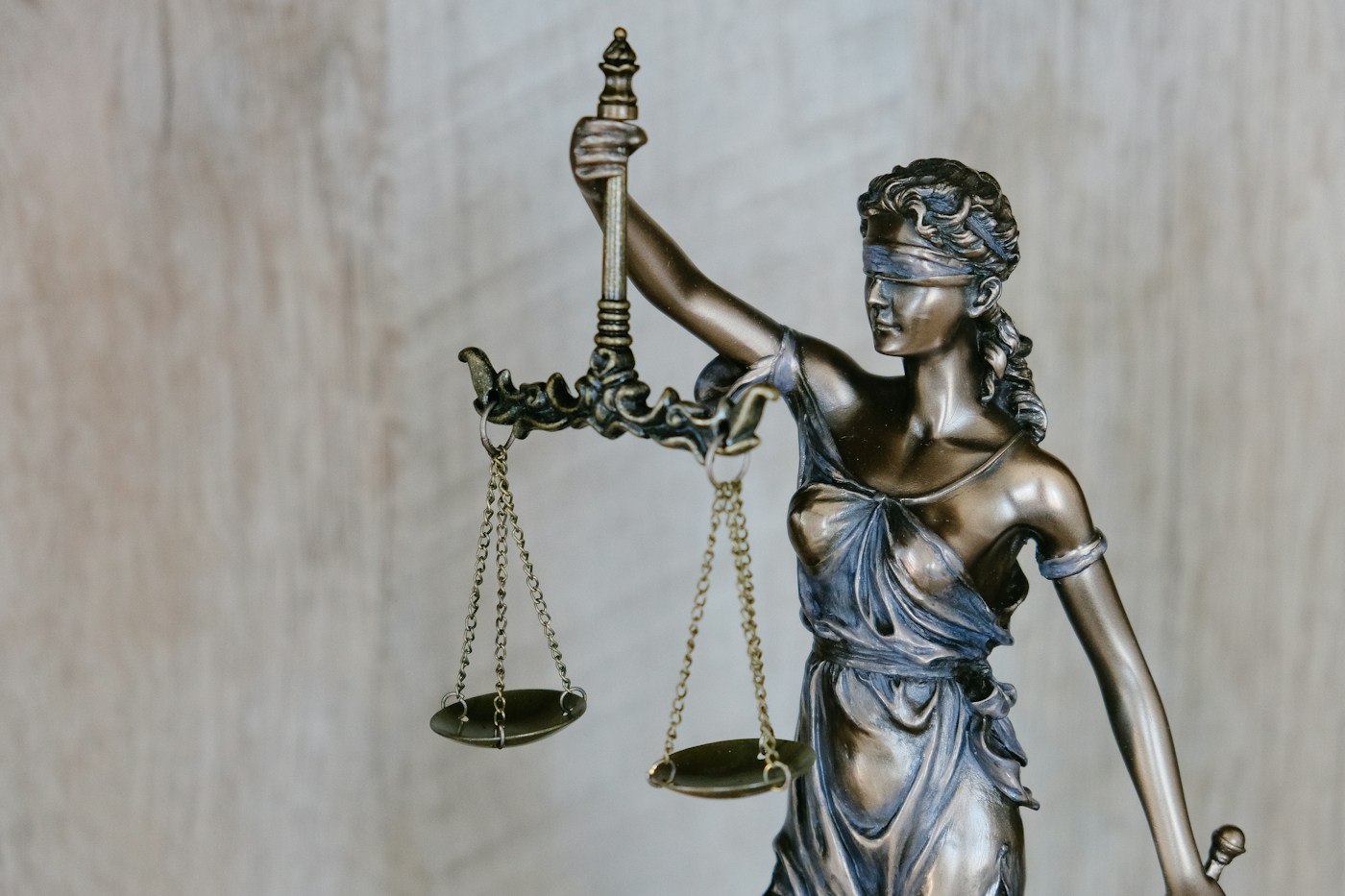
Constitutional advocacy requires scrutinizing the prosecution's formal evidence, probable cause, and law enforcement procedure under the Fourth, Fifth, and Sixth Amendments.
Criminal defense representation begins with immediate, objective analysis of the formal accusatory instrument and the circumstances surrounding any stop, search, interrogation, or arrest. The defense of an accused individual demands adherence to constitutional guarantees under both the United States Constitution and the New York State Constitution.
Melvin Dubinsky evaluates allegations by examining witness statements, police documentation, physical proof, and forensic filings to detect inconsistencies, procedural defects, or breaches of statutory rights under the New York Criminal Procedure Law.
Procedural Representation Phases
Evidentiary Review & Factual Analysis
Detailed examination of arrest reports, body-worn camera footage, scientific test results, and witness statements for procedural defects and legal sufficiency.
Constitutional Suppression Motions
Challenging unlawful stops, warrantless searches, involuntary statements, or suggestive identification procedures through formal written motion practice.
Arraignments & Court Hearings
Direct representation at arraignments, bail evaluations, evidentiary hearings, and judicial calendar conferences in New York courts.
Jury Selection & Summation
Disciplined trial defense encompassing voir dire jury selection, opening statements, vigorous cross-examination of adverse witnesses, and closing summation.
Civil Litigation & Trials
Pleadings · Depositions · Demonstrative Proof · Jury Trials
Melvin Dubinsky began his career in civil litigation and courtroom trials as an associate with established law firms in New York City, subsequently continuing this practice upon founding his independent firm in 1982.
Civil trial practice demands thorough discovery, exacting examination of documentary records, skilled deposition questioning, and clear presentation before judges and juries.
Leveraging his recognized work on demonstrative trial graphics, Mr. Dubinsky employs visual exhibits, timeline diagrams, and anatomical charts to make intricate evidence accessible and persuasive to jurors.
Civil Practice Dimensions
Pleadings, Interrogatories & Deposition Practice
Drafting complaints, answers, document demands, and preparing clients and witnesses for sworn oral depositions under the New York Civil Practice Law and Rules (CPLR).
Demonstrative Exhibits & Visual Evidence
Structuring diagrams and visual timelines that synthesize dense facts into readily understandable courtroom demonstrative exhibits.
Trial Advocacy & Summation
Comprehensive courtroom trial presentation including opening statements, direct and cross-examination, and final jury summation.

Careful preparation of documentary evidence, interrogatories, and witness depositions form the core of effective civil trial advocacy.
Appellate Practice
Record Examination · Second Circuit · Legal Briefs

Appellate review turns upon judicial rulings, statutory interpretation, and the preservation of error in the official trial transcript.
An appeal is not a retrial of the facts; it is a rigorous inquiry into whether legal, procedural, or constitutional error impaired the fairness or validity of a trial or ruling.
Melvin Dubinsky added appellate advocacy to his practice upon establishing his independent firm in 1982. Admitted to the Second Circuit Court of Appeals and the U.S. Supreme Court, his appellate practice involves examining the verbatim trial record, identifying reversible judicial errors, researching precedent, and drafting substantive legal briefs.
Appellate Method & Standards
Record & Transcript Examination
Meticulous review of the trial minutes, admitted exhibits, and judicial rulings to verify preservation of objections and identify reversible errors of law.
Appellate Brief Research & Drafting
Authoring persuasive briefs that frame the legal questions with precision, analyze statutory standards, and synthesize governing caselaw for appellate panels.
Frequently Asked Questions
Direct information concerning criminal defense procedures, courtroom trial preparation, appellate review standards, and the initiation of legal representation in New York.
When someone is arrested in New York, they must immediately assert their constitutional right to remain silent under the Fifth and Sixth Amendments and request legal counsel. The initial arraignment is a critical stage where bail status and release conditions are determined. Retaining experienced defense counsel immediately allows for the early preservation of evidence—such as surveillance footage, 911 recordings, and witness statements—and ensures that any unlawful police questioning is halted.
Inquire Regarding Legal Representation
Contact the office to inquire whether your criminal defense, trial, or appellate matter falls within the scope of the attorney's current practice and schedule.
Melvin Dubinsky, Attorney-at-Law
20 Vesey St, Suite 700 · New York, NY
Consultation Notice
Direct attorney consultation is available by telephone or through the online inquiry form. In-person conferences are scheduled by prior appointment.